



Basement and foundation waterproofing has one unforgiving rule: you get one chance to do it right, because the waterproofing ends up buried under soil and concrete. The proven method for below-grade walls is a torch-applied bitumen membrane system protected by a dedicated protection board — not coatings alone, and never nothing.
The system that works below grade
- Prepare and prime — the foundation wall is cleaned, voids are repaired, and a bituminous primer such as Insucoat is applied to bind dust and improve adhesion.
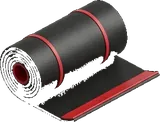
- The membrane layer — a torch-on APP membrane like InsuFort (4 mm is the common below-grade specification) is welded to the wall with 8–10 cm overlaps. For structures expecting movement, the elastomeric SBS membrane InsuPrene keeps its flexibility under stress.
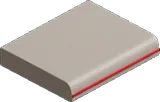
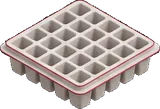
- Protection before backfill — this is the step that separates professionals from problems. Insuboard protection boards shield the membrane from stones and compaction damage during backfilling. A punctured membrane under three metres of soil is a very expensive repair.
- Drain the water away — waterproofing lasts longest when it isn’t permanently under water pressure; site drainage matters.
The full build-up, with diagrams and recommended products, is on our basements & foundations solution page.
What about liquid coatings?
Bitumen emulsions like Insuguard are excellent as priming coats and as damp-proofing for less demanding conditions — but for basements with real groundwater, they support the membrane system rather than replace it.
Why engineers specify Insutech
Insutech has manufactured bitumen waterproofing in Egypt since 1987, with 38,000,000 m² of annual membrane capacity — among the largest operations in Egypt and the region — CE-marked, ISO-certified and exported to 105+ countries. Every product above carries a full datasheet on its page.
Waterproofing a basement or raft foundation? Request a quote and our engineers will specify the right membrane, thickness and protection for your ground conditions.