
TPO/FPO Roofing Membrane
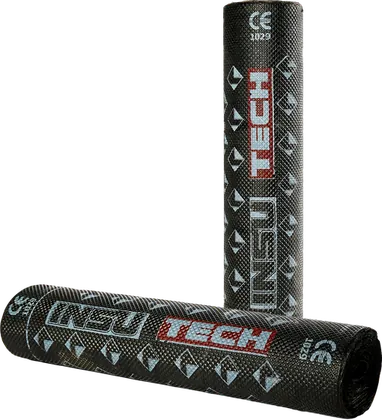
Insutech is the exclusive, sole authorised distributor of Protan AS products in Egypt, including Protan TPO/FPO 2.0mm.

Engineered for the job it protects.
Insutech is the exclusive, sole authorised distributor of Protan AS products in Egypt, including Protan TPO/FPO 2.0mm. We provide direct access to this advanced polyolefin membrane for Egyptian roofing contractors, engineers, and developers, backed by local technical support and project advisory services.
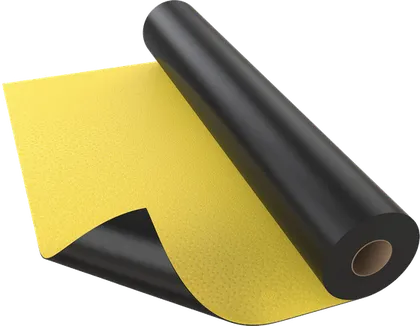
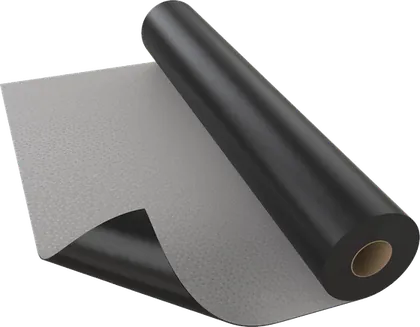
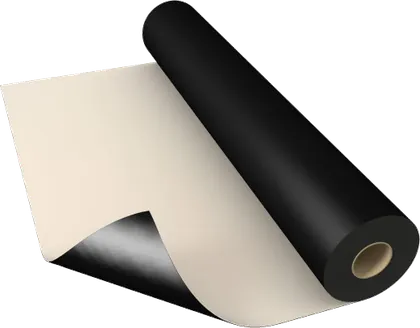
Protan TPO/FPO 2.0mm is a flexible, hot-air weldable polyolefin membrane manufactured to EN 13956, offering superior weathering resistance and dimensional stability. The 2.0 mm nominal thickness provides robust protection against mechanical stress, UV degradation, and wind uplift on flat and low-slope roofs.
Protan TPO/FPO is ideally suited for commercial, industrial, and institutional buildings. Its thermoplastic polyolefin composition makes it fully recyclable and compatible with solar panel installations, green roofs, and cool roof systems. Available in five standard RAL colours: RAL 7015 Slate Grey, RAL 9002 Grey White, RAL 7035 Light Grey, RAL 6021 Pale Green, and RAL 8004 Copper Brown.
- Resistant to artificial ageing per EN 1296; wind-uplift performance per system approval
- UV resistant — EN 1297 UV conditioning passed
- Tensile strength ≥1,050 N/50 mm (EN 12311-2)
- Elongation at break ≥15% (EN 12311-2)
- Impact resistance ≥1,000 mm falling mass (EN 12691)
- Tear resistance ≥500 N (EN 12310-2)
- Joint weld strength: peel ≥600 N/50 mm; shear ≥800 N/50 mm
- Cold foldability ≤−25°C (EN 495-5)
- 5 standard RAL colours (RAL 7015, 9002, 7035, 6021, 8004)
- Fully recyclable polyolefin composition
- CE marked to EN 13956
Application, Step by Step.
Prepare a clean, smooth and dry substrate, free of sharp projections, and install the specified separation or protection layer first.
Roll out the membrane sheets with the correct orientation and overlaps, letting the material relax before any fixing begins on site.
Fix the membrane mechanically or ballast it as designed, following the fastening pattern set out in the project specification exactly.
Weld all overlaps with calibrated hot-air equipment, keeping speed and temperature consistent to produce homogeneous, strong seams.
Test every seam with a probe or vacuum bell, repairing any imperfection immediately before the works are covered over or flooded.
Complete corners, drains and penetrations with prefabricated details, then verify the whole installation carefully before handover.