
PVC BAT — Basements
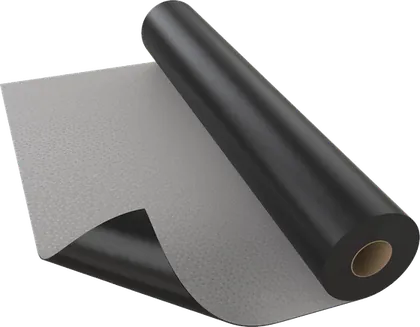
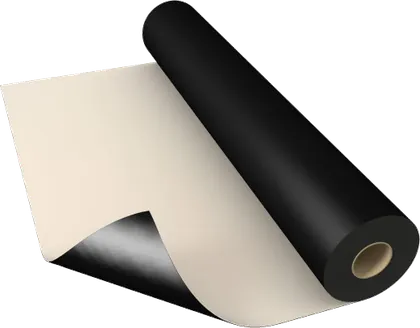
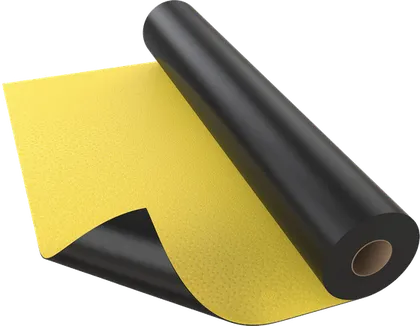
Protan BAT is a homogenous, flexible waterproofing membrane made of plasticised PVC (PVC-P), with a light-coloured signal layer integrated into the top surface.

Engineered for the job it protects.
Protan BAT is a homogenous, flexible waterproofing membrane made of plasticised PVC (PVC-P), with a light-coloured signal layer integrated into the top surface. The total membrane thickness is 2.0 mm, of which 0.20 mm forms the signal layer.
Protan BAT is designed for the waterproofing of tunnels, underground constructions, foundations, basements, and terraces, in both horizontal and vertical sealing applications. Its exceptional tensile properties, chemical resistance, and the distinctive signal layer make it the membrane of choice for demanding civil engineering and infrastructure projects.
Protan AS, headquartered in Drammen, Norway, has been manufacturing waterproofing membranes since 1939 and is today the largest producer of thermoplastic PVC roof membranes in northern Europe. With over 900 employees, distribution in 50+ countries, and an annual turnover exceeding €200 million, Protan is a world leader in membrane technology.
- High tensile strength (≥1,600 N/50 mm)
- High tear resistance (≥250 N)
- Withstands 4.8 KN static puncture (ISO 12236)
- Root resistant (CEN/TS 14416)
- Acid & alkaline resistance (<10% change)
- Cold flexibility to -30°C
- Microorganism resistant (<10% change)
- Recyclable at end of life (carbon footprint 4.7 kg CO₂/m² per EPD)
- Hot-air welded joints (peel strength ≥250 N/50 mm)
- Sole authorised Protan distributor in Egypt
- Custom roll lengths and dimensions on request
- Technical project advisory and specification support
- Local support and fast delivery across Egypt
- More Products Available via Custom Order
Application, Step by Step.
Prepare a clean, smooth and dry substrate, free of sharp projections, and install the specified separation or protection layer first.
Roll out the membrane sheets with the correct orientation and overlaps, letting the material relax before any fixing begins on site.
Fix the membrane mechanically or ballast it as designed, following the fastening pattern set out in the project specification exactly.
Weld all overlaps with calibrated hot-air equipment, keeping speed and temperature consistent to produce homogeneous, strong seams.
Test every seam with a probe or vacuum bell, repairing any imperfection immediately before the works are covered over or flooded.
Complete corners, drains and penetrations with prefabricated details, then verify the whole installation carefully before handover.