Lux
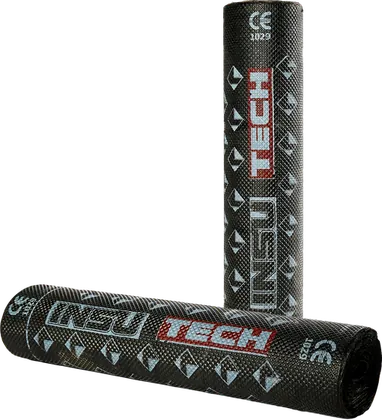
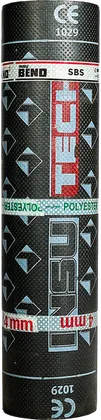
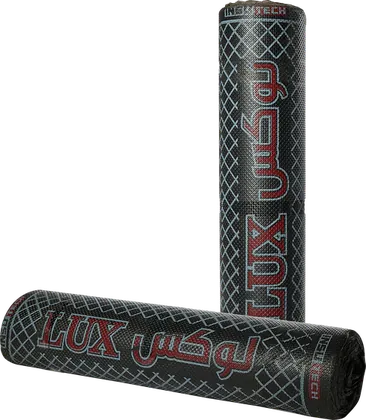
Manufactured through a high-tech calendering process, Lux is produced by saturating and coating a polyester carrier with APP polymer-modified bitumen compound.
Engineered for the job it protects.
Manufactured through a high-tech calendering process, Lux is produced by saturating and coating a polyester carrier with APP polymer-modified bitumen compound. Available in both fiberglass and polyester reinforcement variants, it provides absolute impermeability to water, high chemical resistance to alkaline and light acidic solutions, and thermal stability under a wide range of temperature conditions. Lux is suited for flat and sloped roofs, foundations, basements, tunnels, wet areas including swimming pools and toilets, and slab-on-grade applications across standard waterproofing requirements. Lux is applied using torch-on installation, forming a seamless waterproofing layer that bonds securely to concrete, metal, and other prepared surfaces. Its APP modification ensures strong UV resistance when finished with slates, along with good resistance to ageing and thermal exposure, contributing to a long service life in warm-climate applications. Available with a wide range of upper surface finishes — including colored slates, aluminum foil, sand, and polyethylene film — Lux offers the flexibility to meet both technical performance standards and the aesthetic demands of finished construction surfaces.
- APP modified bitumen for reliable heat, UV, and ageing resistance
- Available in polyester and fiberglass reinforcement variants for project flexibility
- Absolute impermeability to water with high chemical resistance
- Suitable for roofing, foundations, tunnels, wet areas, and swimming pools
- Torch-on application with a wide range of surface finish options for architectural versatility
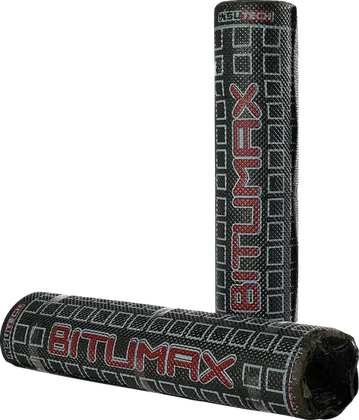
The underside of the membrane is laminated with a thin, thermo-fusible polyethylene burn-off film to ensure efficient torch application and optimal adhesion. The membrane is available with a wide range of upper surface finishes, including multi-colored mineral slates, aluminum foil, sanded finishes, and polyethylene film.
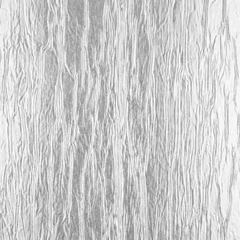


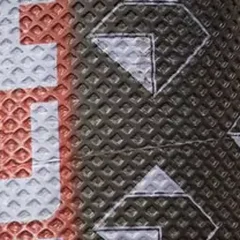


Custom surface options and colors are available on request.
Surface Finish Flyer →Carrier: FG + PES
| Property | PES | FG | Test Method |
|---|---|---|---|
| Tensile Strength – Longitudinal | 500 N/5cm | 500 N/5cm | EN 12311-1 |
| Tensile Strength – Transverse | 300 N/5cm | 300 N/5cm | EN 12311-1 |
| Elongation @ Break – Longitudinal | 30% | ≥2% | EN 12311-1 |
| Elongation @ Break – Transverse | 30% | ≥2% | EN 12311-1 |
| Heat Stability (Flow Resistance) | 120°C | 120°C | ASTM D-5147 / EN 1110 |
| Cold Flexibility | +2°C | +2°C | ASTM D-5147 / EN 1109 |
*Insutech reserves the right to modify product specifications, descriptions, and technical information at any time without prior notice.
Application, Step by Step.
Clean the substrate of dust, debris and standing water, then repair any cracks or voids so the membrane can bond to a sound, even surface.
Apply a bituminous primer evenly across the whole surface and allow it to dry completely before any membrane work begins on the area.
Unroll and align the membrane on the primed surface, allowing the specified side and end overlaps before any bonding takes place.
Heat the burn-off film with a propane torch while progressively unrolling, pressing the membrane firmly onto the prepared substrate.
Torch and seal every overlap with a rounded trowel, checking each joint to achieve continuous, fully watertight seams across the surface.
Finish upstands, drains and penetrations with reinforcing details, then protect the membrane before backfilling, screeding or tiling.