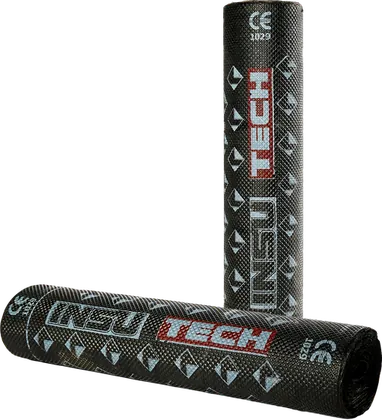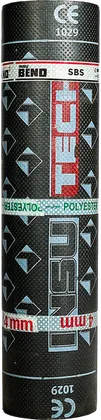


InsuStick
Self-adhesive SBS elastomeric modified bitumen membrane on a composite polyester carrier — reliable thermal and chemical resistance, above and below grade.
Engineered for the job it protects.
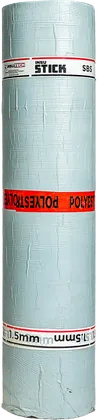
INSUSTICK is manufactured using a high-tech calendering process involving the saturation and coating of a composite polyester carrier with a self-adhesive SBS elastomeric modified bitumen compound.
Offering reliable thermal and chemical resistance through its SBS modifier system, INSUSTICK is reinforced with a non-woven polyester carrier that delivers consistent tensile strength and elongation performance across a wide range of temperature fluctuation.
- Excellent UV resistance when finished with slate
- Superior chemical resistance to alkaline solutions, light acidic solutions, and bacteria
- Superior thermal resistance under a wide range of temperature fluctuation
- Absolute impermeability to water
- Outstanding performance at high temperatures and good performance at low temperatures
- Ease of application and excellent adhesion to any surface
- Applicable for above and below grade usages
The underside is protected by a silicone release film that is peeled away during application for direct self-adhesive bonding.
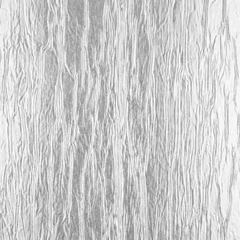


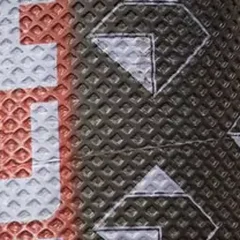


Custom surface options and colors are available on request.
Surface Finish Flyer →Carrier: PES | 1.5 mm & 2 mm
| Test | Unit | Tolerance | Test Method | 1.5 mm | 2 mm |
|---|---|---|---|---|---|
| Cold Temperature Flexibility | °C | MLV ≤ | ASTM D-5147 | -12 to -15°C | -12 to -15°C |
| Thickness | mm | MDV ± 5% | ASTM D-5147 | 1.5 | 2 |
| Roll Width | m | MDV ± 1% | ASTM D-5147 | 1 | 1 |
| Roll Length | m | MDV ± 1% | ASTM D-5147 | 20 | 15 |
| Tensile Strength (Max) – Longitudinal | N/5cm | MDV ± 20% | ASTM D-5147 | 450 | 450 |
| Tensile Strength (Max) – Transverse | N/5cm | MDV ± 20% | ASTM D-5147 | 250 | 250 |
| Elongation @ Break – Longitudinal | % | MDV ± 15 | ASTM D-5147 | 30 | 30 |
*Insutech reserves the right to modify product specifications, descriptions, and technical information at any time without prior notice.
Application, Step by Step.
Clean the substrate of dust, debris and standing water, then repair any cracks or voids so the membrane can bond to a sound, even surface.
Apply a bituminous primer evenly across the whole surface and allow it to dry completely before any membrane work begins on the area.
Unroll and align the membrane on the primed surface, allowing the specified side and end overlaps before any bonding takes place.
Peel back the release film and press the membrane firmly onto the primed surface, working from the centre outwards to avoid air pockets.
Roller and seal every overlap with a rounded trowel, checking each joint to achieve continuous, fully watertight seams across the surface.
Finish upstands, drains and penetrations with reinforcing details, then protect the membrane before backfilling, screeding or tiling.