

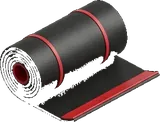
Torch-on application is where a bitumen membrane succeeds or fails: the same InsuGrand roll can last decades or leak in a season depending on the flame work. These are the practices professional applicators follow.
Before the torch is lit
- Substrate — clean, dry, sound, with screeds laid to falls so water drains. Repair cracks first.
- Primer — a full coat of bituminous primer (Insucoat) binds dust and gives the melt something to grip. Let it dry to touch.
- Layout — dry-lay and align rolls before welding anything. Start from the low point/drains so laps shed water, never oppose it.
The torch work
- Roll-and-heat rhythm — re-roll the sheet, then heat the underside film until it just glosses while unrolling steadily. A bright molten bead of compound should push out ahead of the roll — that bead is the weld.
- Laps are the roof — 8–10 cm side laps, 10–15 cm end laps, staggered between rows. Every lap gets torched and pressed until a continuous bitumen bead squeezes out, then the bead is smoothed with a heated trowel.
- Don’t cook the sheet — overheating burns the compound and exposes the carrier; underheating leaves cold laps that open later. The gloss-and-bead is the visual reference.
Details decide everything
Upstands, parapets, drains and penetrations cause most leaks. Turn the membrane at least 15–20 cm up vertical surfaces, use reinforcing gussets at corners, and finish exposed edges with termination bars. Around rooflights and where flame is unsafe, switch to self-adhesive InsuStick — method here.
Watch it done
An application tutorial video is embedded on every Insutech membrane page — for example InsuGrand — and the storage guide covers how rolls should be handled before they ever reach the torch.
Insutech membranes have been manufactured in Egypt since 1987, CE-marked and exported to 105+ countries. Specifying a torch-on system? Get a quote — thickness, layers and detailing guidance included.