



Void Filling
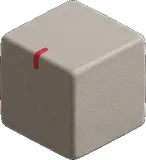
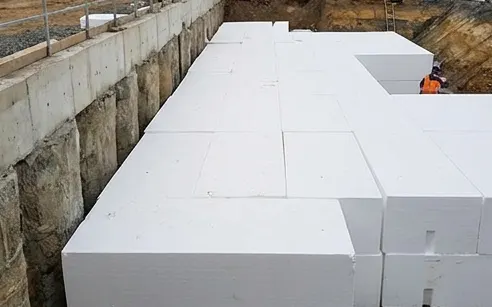
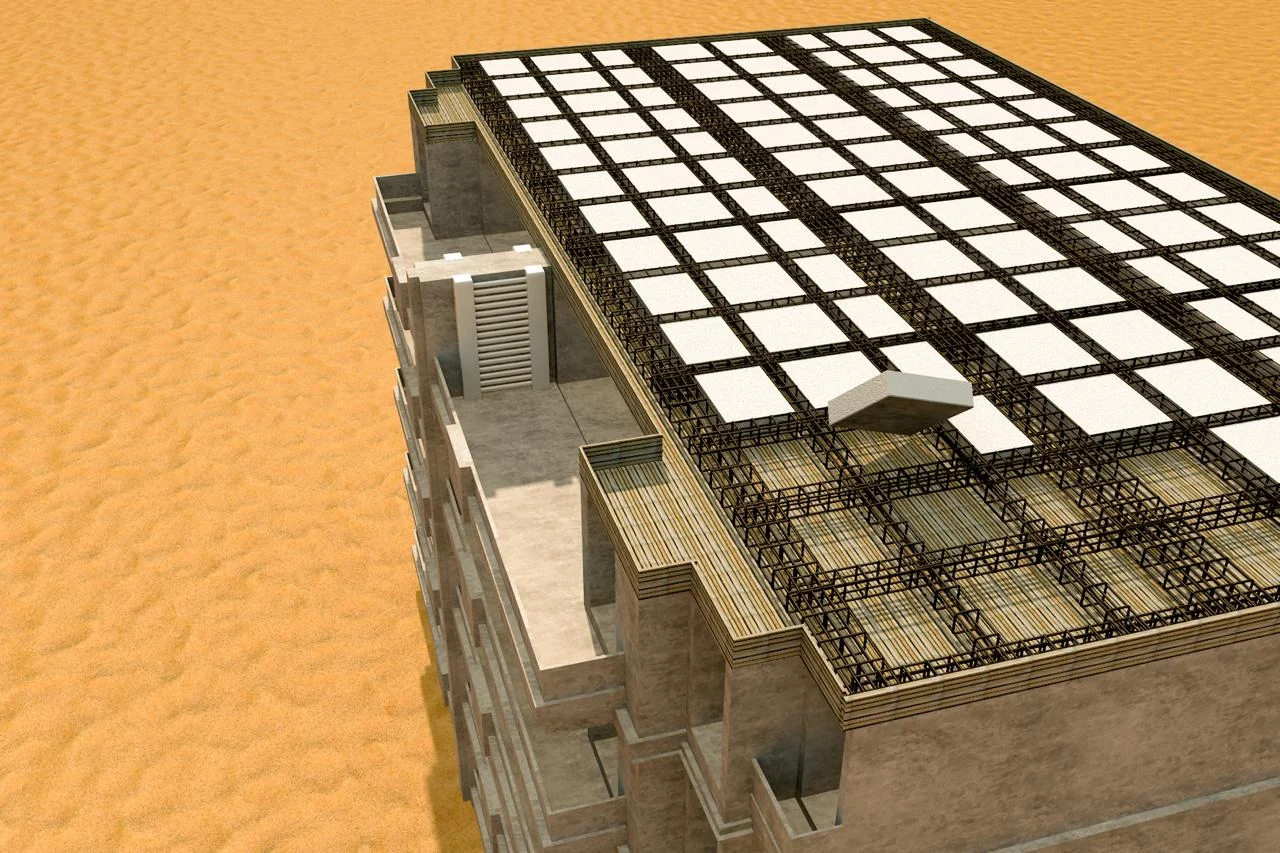
Massive EPS blocks fill voids with almost no weight — stable volume where soil would overload the structure below.
One System, Built to Work Together.
Some voids should never be filled with soil: over structures, behind walls, above services. Compacted fill weighs two tonnes per cubic metre — EPS geofoam does the same job at around one percent of that.
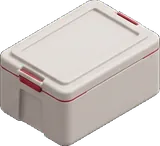
InsuBlock EPS blocks stack into engineered fills that load the ground almost nothing, install without compaction plant, and stay dimensionally stable for the life of the works.
- Voids over basements and podium decks
- Backfill behind retaining structures
- Bridging over buried services
- Level corrections on weak ground
- Theatre, stadium and stepped floors
See the System in Action.
Layer by Layer.
- 01
Formation Preparation
The base is trimmed, cleared and levelled to receive the blocks.
- 02
Bedding Layer
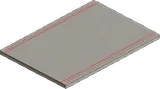
A thin sand or gravel blinding gives the first course uniform support.
- 03
EPS Block Fill
InsuBlock geofoam placed in staggered courses to the design profile.
- 04
Separation Layer
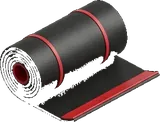
A membrane or fleece separates the blocks from the works above.
- 05
Slab / Capping
The structural slab or capping layer completes the filled zone.
 01
011% the Weight of Soil
EPS fill takes the load question off the table for structures and weak ground below.
 02
02No Compaction Needed
Blocks place by hand and stack immediately — no plant, no layers, no waiting.
 03
03Dimensionally Stable
Engineered fills hold their level without settlement for the design life.
 04
04Cut to Any Profile
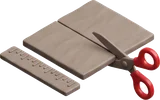
Blocks hot-wire cut to ramps, steps and curves straight from the drawings.
Common questions about this system.
Where is the Void Filling system used?
It is typically used for voids over basements and podium decks, backfill behind retaining structures, bridging over buried services, level corrections on weak ground and theatre, stadium and stepped floors.
Which Insutech products are used for void filling?
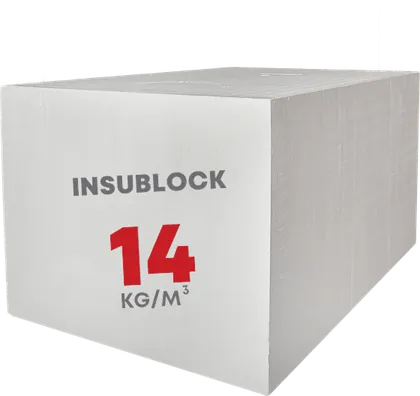
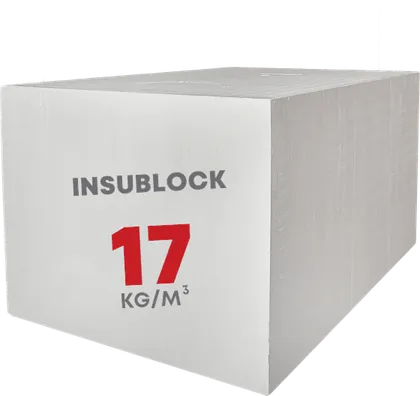
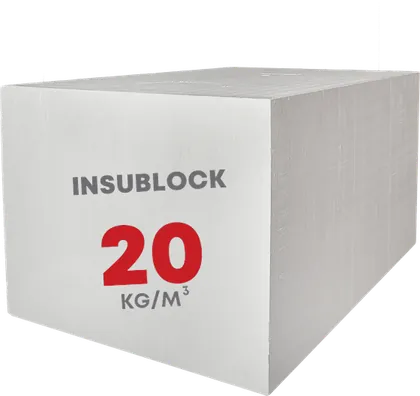
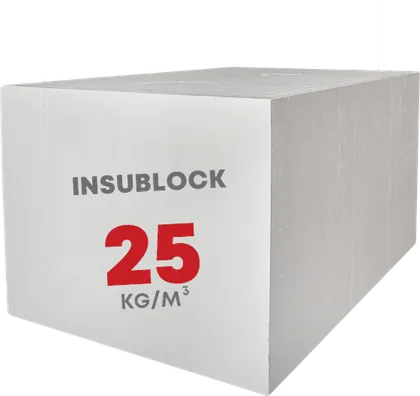
The recommended system is built with InsuBlock 14kg/m³, InsuBlock 17kg/m³, InsuBlock 20kg/m³ and InsuBlock 25kg/m³ — full details for each are on the recommended products cards on this page.
How is the system installed?
The system is installed in 5 stages: formation Preparation, bedding Layer, EPS Block Fill, separation Layer and slab / Capping. The system build-up section on this page illustrates the full sequence. An application video is also available above.
What are the main advantages of the void filling system?
The key advantages are 1% the Weight of Soil, no Compaction Needed and dimensionally Stable — each is explained in the Key Benefits section on this page.